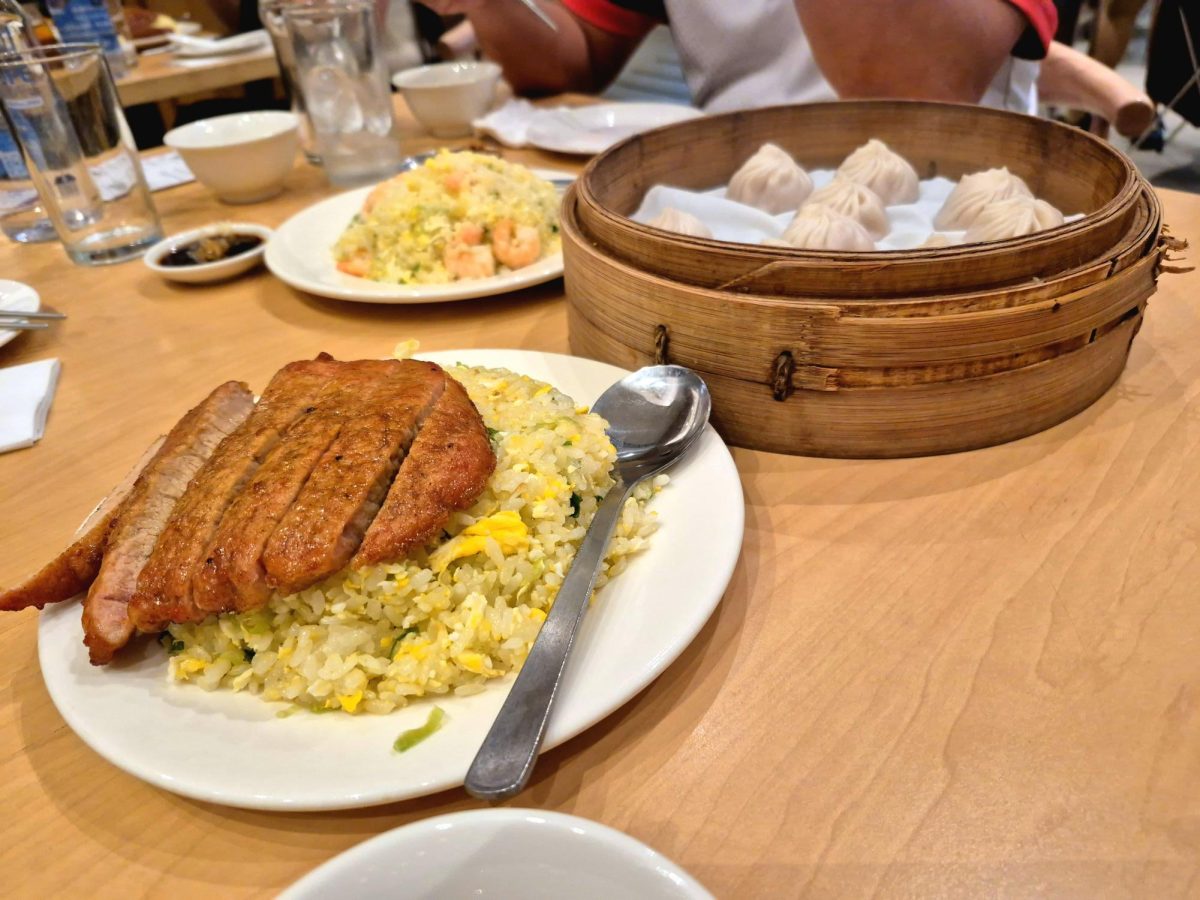
At James Campbell High School (JCHS), Christmas does not just have a single flavor; it has hundreds. Walking through campus, the diversity of JCHS students’ memories of food for Christmas is evident; their Christmases may smell like the spicy notes of Curry, the savoury smell of Adobo, and the sweetness of pani popo. Christmas cuisine becomes more than just a meal; it is a way for students and their families to stay connected to their roots and heritage.
American Christmas
At the center of an American Christmas dinner is family, tradition, and history. Christmas dinners often reflect family history, with dishes such as turkey or ham, mashed potatoes, stuffing, and a variety of desserts forming the centerpiece of the Holiday. These meals are shared with family, an icon of Christmas being a time of togetherness. While specific foods may differ from household to household, the tradition of family remains consistent.
Hawaiian and Pacific Christmas
Introduced to Hawaii by Protestant missionaries in the 1800s, Christmas has become a significant holiday in Hawaii over time. Kalua Pig, an icon of Hawaiian cuisine, often sits at the centre of many family dinners. Despite its long cooking time, it is well-loved by many and praised for its juiciness and tenderness. For dessert, many families serve Haupia, which is known for its creamy, sweet, and pure coconut flavour. Despite the influence of many other cultures in Hawaii, Hawaiian food remains a staple on the dinner tables of many families during the Christmas season.
Across Polynesian, Melanesian, and Micronesian cultures, food plays a central role in their gatherings, featuring staple ingredients such as taro leaves and coconut milk, which are foundational to Pacific cuisines. Alfred Tuiasosopo, a junior of Samoan descent at JCHS, said that dishes like palusami are “guaranteed to be on the table” because “kids love it, parents love it, the whole family loves it.” Continuing to serve traditional foods remains important, as Tuiasosopo said, “Bring back childhood memories” and help students feel “welcome,” while allowing them to exchange cuisines with other cultures.
Asian Christmas
For many Asian families at JCHS, the food served during Christmas is a reflection of their cultural roots and personal memories. Filipino students celebrate Noche Buena, a Christmas dinner and gathering of family, relatives, and friends. Filipino families typically serve staples such as Filipino-style spaghetti, dinakdakan, macaroni fruit salad, and pancit. Trixie Eugenio, a junior at JCHS, shared her experiences with Filipino-style Spaghetti, who said that it is their own “ultimate Christmas comfort food” and that its flavor “brings me back to my childhood days.”
Similarly, Thaisiam Kaspar, a junior at JCHS, who was born and raised in Thailand before moving to Hawai’i, said that Christmas was not widely celebrated in Thailand. However, food was still a central part of special occasions. For Kaspar, one dish remains central to her special occasions: the Thai dish phanaeng curry. “My mom would make my favorite dish, phanaeng curry, for my birthday, Christmas, or whenever family visited.”
Kaspar said that the dish makes her feel at home because “my mom makes it special—she adds long green beans just for me.” Cooking and sharing these dishes has also helped preserve her identity, and preparing them has always brought her family closer together. Living in Hawai’i, Kaspar has embraced the island’s diversity, noting that food is “the best representation of someone’s culture,” and encouraging others to try Thai cuisine.
Food remains a powerful connection to home and identity. Whether through differing flavors and cuisines, the dishes of Asians at JCHS carry memories of family, childhood, and tradition.
At its core, regardless of the culture, one theme remains the same: Christmas food brings people together to cherish memories, remember their roots, and reconnect with their families. The recipes may differ, but the same purpose remains throughout. As students gather around the table, filled with dishes from throughout the world, the community shows how they celebrate Christmas, which is what makes their community special.