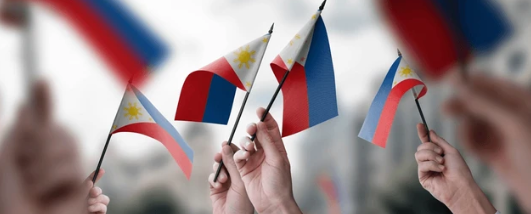
The Filipino and Ethnic Studies elective has introduced students to history and culture through hands-on learning experiences. Taught by social studies teacher Lorilyn Aceret-Cruz, the class has offered interactive activities that make lessons engaging, along with a field trip to the University of Hawaiʻi at Mānoa, where students watched Dancing in the Diaspora, a performance that showcased Filipino culture alongside other cultures and ethnicities.
Ethnic studies courses are considered important for upcoming generations because they allow students to learn about the diverse histories that have shaped the United States. By including perspectives that are often left out of traditional curricula, these classes help students develop cultural awareness, understand different communities, and see how their own identities connect to the broader story of the country.
After years of advocacy from students statewide, the Department of Education (DOE) has officially introduced the elective across Hawaii public schools under the social studies departments.
Jeremiah Fetalco, a junior at James Campbell High School, said that “To organize a course such as this for Campbell was the need for Filipino representation and cultural understanding within our school community.” He said, “JCHS is the largest public school in Hawaii, and most students are part or full Filipino; I believe being involved in organizing this course could help students learn about our culture.”
Fetalco said, “I am very proud of getting to experience this course. It gives me a sense of pride and empowerment. Not only am I learning the history of my country, but I get to be a part of giving that same opportunity to other students. The Dancing in the Diaspora performance resonates with me because I got to see the Filipino cultures being expressed in different ways. For example, the little kids playing traditional games like jump rope.”
Ethnic and Global Studies benefit public high schools in Hawaiʻi by helping students build real-world skills such as critical thinking, communication, and empathy. By examining global issues and historical experiences, students learn how past events shape current social and political realities. These courses also prepare students to engage respectfully in diverse workplaces and communities beyond high school. As a result, ethnic and global studies support both academic growth and responsible citizenship.
The addition of Filipino Culture and Ethnic Studies marks an important step toward preserving and sharing Filipino history, identity, and experiences within Hawaiʻi’s public school system. By educating students about culture, migration, and community contributions, the course helps foster pride, understanding, and respect among both Filipino and non-Filipino students. As future generations take this class, it will continue to strengthen cultural awareness and encourage meaningful conversations about identity and belonging. Ultimately, the course ensures that Filipino stories and perspectives remain visible, valued, and passed on for years to come.